- [0] To the sitemap / website-navigation (Click enter).
- [1] To the content (Click enter).
- [2] Change language: Deutsch (Click enter).
- [3] Text version (Click enter)
- [4] To the homepage (Click enter).
Society for the Promotion of the Egyptian Museum Berlin
list of pictures
Digitalization of Papyri and Ostraka
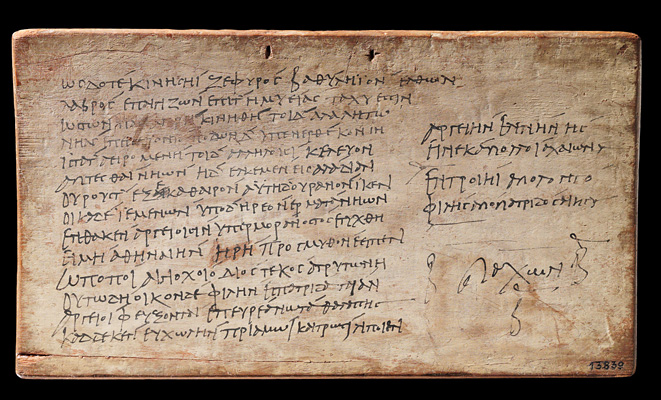
Die Papyrussammlung der Staatlichen Museen zu Berlin ist die bedeutendste Papyrussammlung in Deutschland und zählt weltweit zu den fünf größten Sammlungen ihrer Art. Sie umfaßt einige zehntausend mit Schrift versehene Papyri, 7000 Ostraka, über 1000 Pergamente, ca. 500 Papiere, gut 200 beschriebene und bemalte Textilien, über 100 Holz- und Wachstafeln, einige Lederhandschriften und -einbände und eine Bleitafel. Von all diesen Textträgern ist etwa die Hälfte in griechischer, die andere in ägyptischer, lateinischer, hebräischer, aramäischer, syrischer, arabischer und persischer Sprache beschrieben.
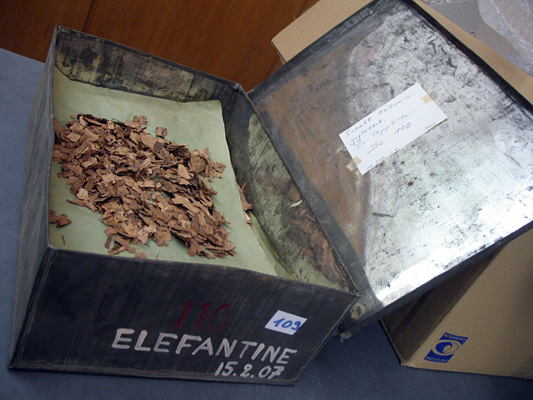
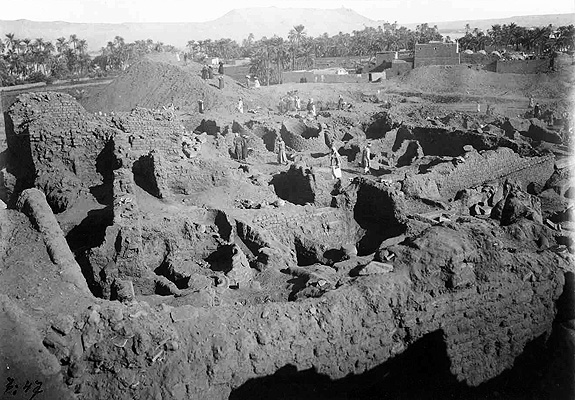
Die Papyruserwerbungen der Berliner Sammlung stammen zum einen aus Grabungen des Museums in Ägypten (Elephantine, Theadelphia, Tebtynis etc.), zum anderen aus Ankäufen und Schenkungen. Viele der Stücke sind inhaltlich eng mit Papyri anderer Sammlungen verbunden, sei es, daß Fragmente zu ein und demselben Papyrus oder einer Rolle gehören, sei es, daß dieselben Personen in Papyri verschiedener Sammlungen auftauchen und diese Archive bilden.
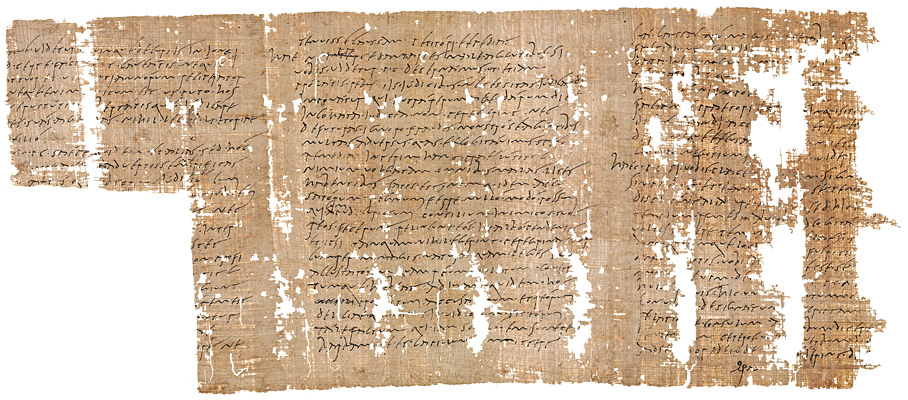
An der Erschließung der griechischen und lateinischen Sammlungsbestände sind seit gut 120 Jahren bis zum heutigen Tage zahlreiche Papyrologen in aller Welt beteiligt, die bisher bereits über 5500 der Texte publiziert haben. Zu den bedeutendsten Stücken gehören das Musikdrama des Timotheos 'Die Perser' und der Hochzeitsvertrag aus Elephantine, die beide aus dem 4. Jh. v.Chr. stammen und daher zu den frühesten Papyri in griechischer Sprache aus Ägypten zählen. Die meisten Stücke sind allerdings in den Publikationen nicht abgebildet worden, viele noch nie fotografiert worden.
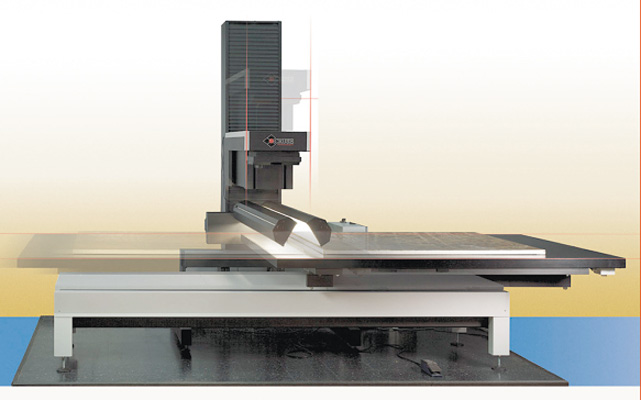
Ein neues Projekt der Papyrussammlung zur Digitalisierung großer Bestände der Sammlung wird von diesem Jahr an die Erschließung der antiken Originaltexte vorantreiben: Ziel des für drei Jahre von der Deutschen Forschungsgemeinschaft geförderten Vorhabens ist die Bereitstellung einer Datenbank im Internet, die digitale Abbildungen und alle relevanten Informationen zu 6000 in griechischer und lateinischer Sprache verfaßten Texten der Berliner Papyrussammlung enthält.
Die Projektmitarbeiter werden die betreffenden Stücke in hoher Qualität scannen und in der Datenbank den Abbildungen Angaben zu Inhalt, Datierung, Herkunft und Erwerbungsgeschichte der Schriftstücke hinzufügen.
Durch Verlinkung mit anderen Fachdatenbanken wird es möglich sein, den Bildern auf der Internetseite jeweils Originaltext und Übersetzung gegenüberzustellen. Die Internet-Datenbank wird somit allen Altertumswissenschaftlern und am antiken Ägypten Interessierten eine reiche Auswahl an hochwertigen Abbildungen der Originalobjekte zur Ansicht und zum Studium bereitstellen und eine Fülle von Erkenntnissen über das Leben im griechisch-römischen Ägypten bieten.
Die Papyruserwerbungen der Berliner Sammlung stammen zum einen aus Grabungen des Museums in Ägypten (Elephantine, Theadelphia, Tebtynis etc.), zum anderen aus Ankäufen und Schenkungen. Viele der Stücke sind inhaltlich eng mit Papyri anderer Sammlungen verbunden, sei es, daß Fragmente zu ein und demselben Papyrus oder einer Rolle gehören, sei es, daß dieselben Personen in Papyri verschiedener Sammlungen auftauchen und diese Archive bilden.
An der Erschließung der griechischen und lateinischen Sammlungsbestände sind seit gut 120 Jahren bis zum heutigen Tage zahlreiche Papyrologen in aller Welt beteiligt, die bisher bereits über 5500 der Texte publiziert haben. Zu den bedeutendsten Stücken gehören das Musikdrama des Timotheos 'Die Perser' und der Hochzeitsvertrag aus Elephantine, die beide aus dem 4. Jh. v.Chr. stammen und daher zu den frühesten Papyri in griechischer Sprache aus Ägypten zählen. Die meisten Stücke sind allerdings in den Publikationen nicht abgebildet worden, viele noch nie fotografiert worden.
Ein neues Projekt der Papyrussammlung zur Digitalisierung großer Bestände der Sammlung wird von diesem Jahr an die Erschließung der antiken Originaltexte vorantreiben: Ziel des für drei Jahre von der Deutschen Forschungsgemeinschaft geförderten Vorhabens ist die Bereitstellung einer Datenbank im Internet, die digitale Abbildungen und alle relevanten Informationen zu 6000 in griechischer und lateinischer Sprache verfaßten Texten der Berliner Papyrussammlung enthält.
Die Projektmitarbeiter werden die betreffenden Stücke in hoher Qualität scannen und in der Datenbank den Abbildungen Angaben zu Inhalt, Datierung, Herkunft und Erwerbungsgeschichte der Schriftstücke hinzufügen.
Durch Verlinkung mit anderen Fachdatenbanken wird es möglich sein, den Bildern auf der Internetseite jeweils Originaltext und Übersetzung gegenüberzustellen. Die Internet-Datenbank wird somit allen Altertumswissenschaftlern und am antiken Ägypten Interessierten eine reiche Auswahl an hochwertigen Abbildungen der Originalobjekte zur Ansicht und zum Studium bereitstellen und eine Fülle von Erkenntnissen über das Leben im griechisch-römischen Ägypten bieten.
Overview
Museum
-
The building
-
Overview
-
Level 0
-
Level 1
-
Level 2
Projects
- Excavation-Project QHN
- Digitalization of Papyri and Ostraka
- Restoration Projects
- Photos & Forts
- ERC-Projekt ELEPHANTINE
Membership
Contact
You are using Mozilla/5.0 AppleWebKit/537.36 (KHTML, like Gecko; compatible; ClaudeBot/1.0; +claudebot@anthropic.com)your browser type cannot be determined | Text version
| About accessibility | Produced by: RexPublica
Bitte beachten Sie die Hinweise zur Webanalyse
Bitte beachten Sie die Hinweise zur Webanalyse