- [0] To the sitemap / website-navigation (Click enter).
- [1] To the content (Click enter).
- [2] Change language: Deutsch (Click enter).
- [3] Text version (Click enter)
- [4] To the homepage (Click enter).
Society for the Promotion of the Egyptian Museum Berlin
Photos & Forts: Die photographische Dokumentation einer Reise nach Nubien im Jahr 1900
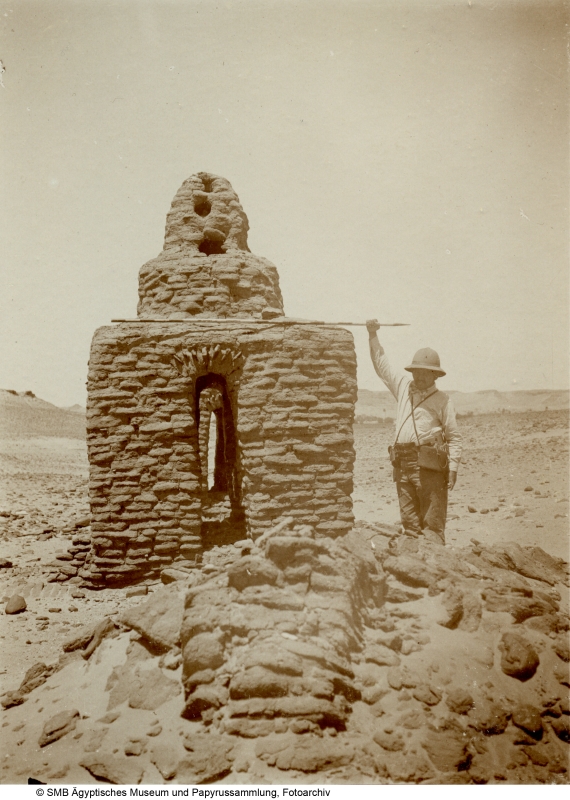
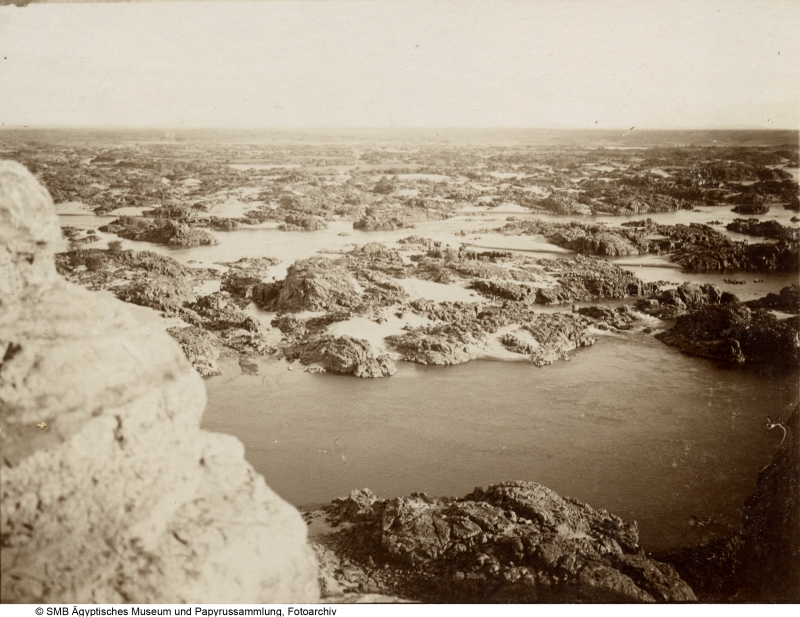
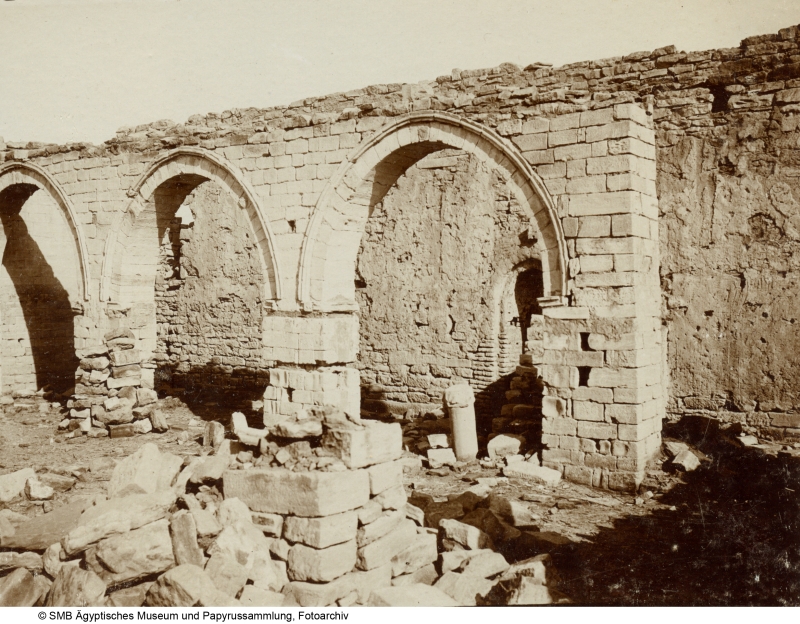
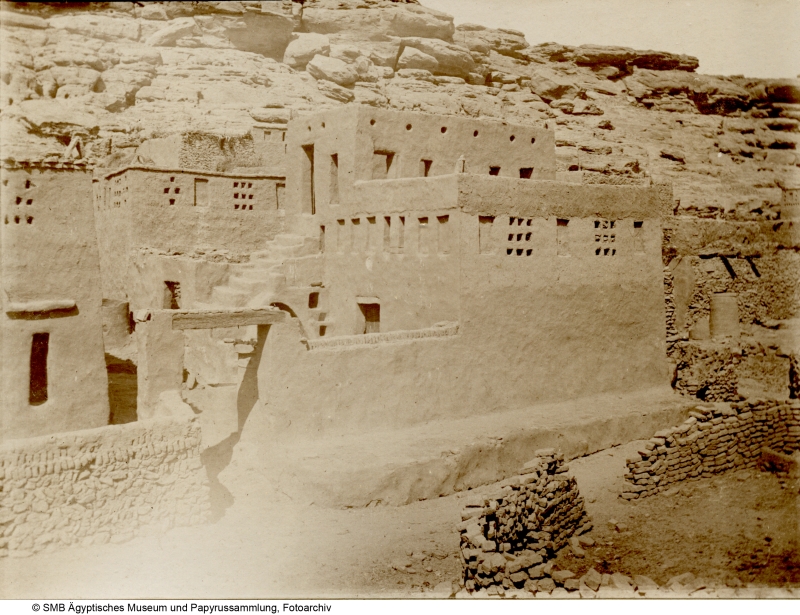
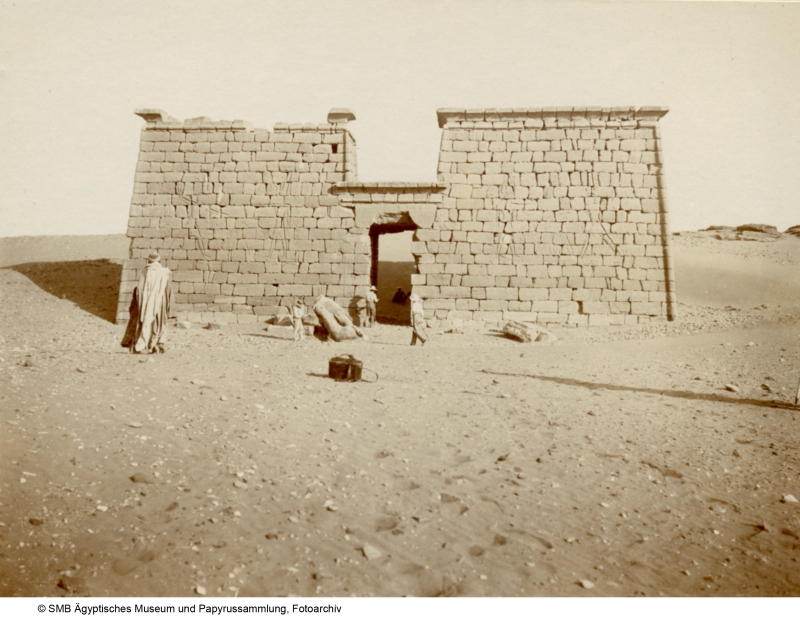
Im Zuge der Erschließung der Bestände des Fotoarchivs des Ägyptischen Museums wurden 2015 sechs unbeschriftete Fotoboxen gesichtet, deren Inhalt sich als die komplette fotografische Dokumentation im Umfang von ca. 340 Fotos einer im Jahr 1900 unternommenen Reise in das Gebiet zwischen dem ersten und zweiten Nilkatarakt erwiesen hat.
Dieser Entdeckung kommt aus zwei Gründen eine besondere Bedeutung zu: Zum einen stellt dieser Bestand eine bedeutende Quelle zur Geschichte der inzwischen in den Fluten des Nasser-Stausees versunkenen Kulturlandschaft Nubiens dar, zum anderen wird dadurch die sehr umfangreiche Dokumentation einer durch den späteren Direktor des Ägyptischen Museums, Heinrich Schäfer (1868—1957), unternommenen Expedition in dieses Gebiet vervollständigt.
In Zusammenarbeit mit der Abteilung Kairo des Deutschen Archäologischen Institutes, in deren wissenschaftsgeschichtlicher Publikationsreihe „Menschen — Reisen — Forschungen„ bereits das Reisetagebuch Schäfers, in Verbindung mit den Aufzeichnungen der übrigen Reiseteilnehmer und weiteren vornehmlich schriftlichen Archivalien, veröffentlicht wurde, soll nun eine Edition ausgesuchter Fotografien erfolgen. Dazu vermitteln einige Essaybeiträge die Hintergründe der Reise, die Geschichte der Expeditionsfotografie in Ägypten und die vielen Facetten der Kulturlandschaft Nubiens.
Hauptziel der von Schäfer im März und April 1900 in Begleitung der beiden Ägyptologen Georg Steindorff (1861—1951) und Ludwig Borchardt (1863—1938), sowie des klassischen Archäologen Hermann Thiersch (1874—1939) und dem Diplomaten Curt von Grünau (1871—1939) unternommenen Reise waren die pharaonischen Grenzfestungen des Mittleren und Neuen Reiches (etwa 2040 bis 1070 v. Chr.).
Finanziert wurde die Unternehmung aus Mitteln der Ernst von Sieglin-Expedition, benannt nach dem Stuttgarter Unternehmer Ernst von Sieglin (1848—1927), welcher der Königlich Sächsischen Gesellschaft der Wissenschaften 1899 Gelder für eine Erkundung der Oase Siwa im Nordwesten Ägyptens zur Verfügung gestellt hatte. Ursprünglich sollten danach auch die Oasen der ägyptischen Westwüste Farafra, Dachla und Charga besucht werden. Stattdessen begab sich die Expedition nur in die westlich des Niltales gelegene Flussoase Fajjum. Dadurch wurden die benötigten Mittel gewonnen, eine Reise nach Nubien zu unternehmen.
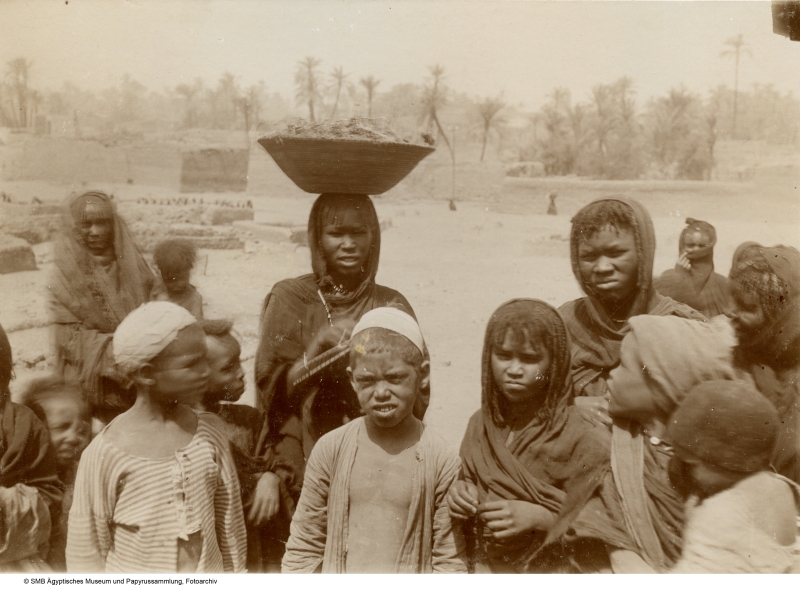
Auf einigen der jetzt wiederentdeckten Bilder sind auch die Fotografen bei der Arbeit abgelichtet worden, was darauf hindeutet, dass der Reisegruppe zumindest zeitweilig zwei Kameras zur Verfügung standen. Dabei erschwerten die Lichtverhältnisse mitunter den Einsatz der modernen Technik. Andererseits erlaubte es die fotografische Dokumentation bei kürzerer Verweildauer an bestimmten Monumenten größere Textmengen aufzunehmen, wenn die Zeit nicht für eine Abschrift reichte. Nicht alle Aufnahmen jedoch dienten streng wissenschaftlichen Interessen. Mitunter wurden auch Nubier fotografiert, die die Reisenden bei ihrer Arbeit beobachtet hatten und mit denen man ins Gespräch gekommen war. Die Reiseteilnehmer selbst sind eher selten auf den Fotos zu sehen, allerdings wurden sie gelegentlich zum Maßstab vor einigen Gebäuderesten aufgenommen, wobei hierzu auch Einheimische herangezogen wurden.
Projektleitung: Dr. Jana Helmbold-Doyé (Ägyptisches Museum und Papyrussammlung) und Dr. Thomas L. Gertzen (Humboldt-Universität zu Berlin)
Projektbeteiligte: PD Dr. Daniel Polz (DAI, Kairo) und Dr. Caris-Beatrice Arnst (ÄMP).
Projektträger: Ägyptisches Museum und Papyrussammlung und Deutsches Archäologisches Institut, Abteilung Kairo.
Teilfinanzierung der Drucklegung: Verein zur Förderung des Ägyptischen Museums Berlin e.V.
Laufzeit: Juli 2017 bis Oktober 2018
Dieser Entdeckung kommt aus zwei Gründen eine besondere Bedeutung zu: Zum einen stellt dieser Bestand eine bedeutende Quelle zur Geschichte der inzwischen in den Fluten des Nasser-Stausees versunkenen Kulturlandschaft Nubiens dar, zum anderen wird dadurch die sehr umfangreiche Dokumentation einer durch den späteren Direktor des Ägyptischen Museums, Heinrich Schäfer (1868—1957), unternommenen Expedition in dieses Gebiet vervollständigt.
In Zusammenarbeit mit der Abteilung Kairo des Deutschen Archäologischen Institutes, in deren wissenschaftsgeschichtlicher Publikationsreihe „Menschen — Reisen — Forschungen„ bereits das Reisetagebuch Schäfers, in Verbindung mit den Aufzeichnungen der übrigen Reiseteilnehmer und weiteren vornehmlich schriftlichen Archivalien, veröffentlicht wurde, soll nun eine Edition ausgesuchter Fotografien erfolgen. Dazu vermitteln einige Essaybeiträge die Hintergründe der Reise, die Geschichte der Expeditionsfotografie in Ägypten und die vielen Facetten der Kulturlandschaft Nubiens.
Hauptziel der von Schäfer im März und April 1900 in Begleitung der beiden Ägyptologen Georg Steindorff (1861—1951) und Ludwig Borchardt (1863—1938), sowie des klassischen Archäologen Hermann Thiersch (1874—1939) und dem Diplomaten Curt von Grünau (1871—1939) unternommenen Reise waren die pharaonischen Grenzfestungen des Mittleren und Neuen Reiches (etwa 2040 bis 1070 v. Chr.).
Finanziert wurde die Unternehmung aus Mitteln der Ernst von Sieglin-Expedition, benannt nach dem Stuttgarter Unternehmer Ernst von Sieglin (1848—1927), welcher der Königlich Sächsischen Gesellschaft der Wissenschaften 1899 Gelder für eine Erkundung der Oase Siwa im Nordwesten Ägyptens zur Verfügung gestellt hatte. Ursprünglich sollten danach auch die Oasen der ägyptischen Westwüste Farafra, Dachla und Charga besucht werden. Stattdessen begab sich die Expedition nur in die westlich des Niltales gelegene Flussoase Fajjum. Dadurch wurden die benötigten Mittel gewonnen, eine Reise nach Nubien zu unternehmen.
Auf einigen der jetzt wiederentdeckten Bilder sind auch die Fotografen bei der Arbeit abgelichtet worden, was darauf hindeutet, dass der Reisegruppe zumindest zeitweilig zwei Kameras zur Verfügung standen. Dabei erschwerten die Lichtverhältnisse mitunter den Einsatz der modernen Technik. Andererseits erlaubte es die fotografische Dokumentation bei kürzerer Verweildauer an bestimmten Monumenten größere Textmengen aufzunehmen, wenn die Zeit nicht für eine Abschrift reichte. Nicht alle Aufnahmen jedoch dienten streng wissenschaftlichen Interessen. Mitunter wurden auch Nubier fotografiert, die die Reisenden bei ihrer Arbeit beobachtet hatten und mit denen man ins Gespräch gekommen war. Die Reiseteilnehmer selbst sind eher selten auf den Fotos zu sehen, allerdings wurden sie gelegentlich zum Maßstab vor einigen Gebäuderesten aufgenommen, wobei hierzu auch Einheimische herangezogen wurden.
Projektleitung: Dr. Jana Helmbold-Doyé (Ägyptisches Museum und Papyrussammlung) und Dr. Thomas L. Gertzen (Humboldt-Universität zu Berlin)
Projektbeteiligte: PD Dr. Daniel Polz (DAI, Kairo) und Dr. Caris-Beatrice Arnst (ÄMP).
Projektträger: Ägyptisches Museum und Papyrussammlung und Deutsches Archäologisches Institut, Abteilung Kairo.
Teilfinanzierung der Drucklegung: Verein zur Förderung des Ägyptischen Museums Berlin e.V.
Laufzeit: Juli 2017 bis Oktober 2018
Overview
Museum
-
The building
-
Overview
-
Level 0
-
Level 1
-
Level 2
Projects
- Excavation-Project QHN
- Digitalization of Papyri and Ostraka
- Restoration Projects
- Photos & Forts
- ERC-Projekt ELEPHANTINE
Membership
Contact
You are using Mozilla/5.0 AppleWebKit/537.36 (KHTML, like Gecko; compatible; ClaudeBot/1.0; +claudebot@anthropic.com)your browser type cannot be determined | Text version
| About accessibility | Produced by: RexPublica
Bitte beachten Sie die Hinweise zur Webanalyse
Bitte beachten Sie die Hinweise zur Webanalyse