- [0] To the sitemap / website-navigation (Click enter).
- [1] To the content (Click enter).
- [2] Change language: Deutsch (Click enter).
- [3] Text version (Click enter)
- [4] To the homepage (Click enter).
Society for the Promotion of the Egyptian Museum Berlin
list of pictures
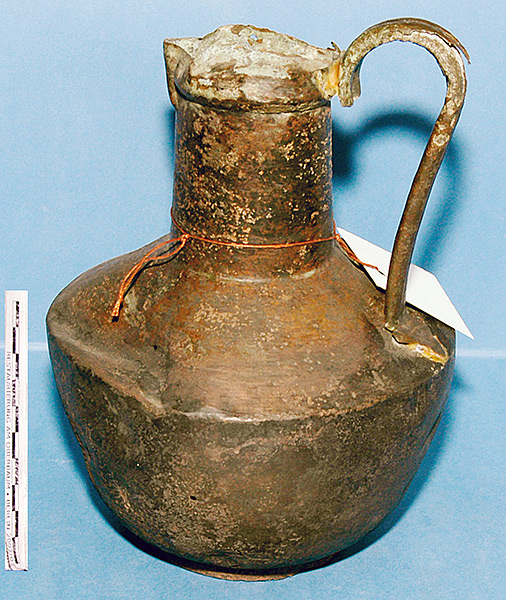
- ÄM 15841 Bronzekanne, Theadelphia
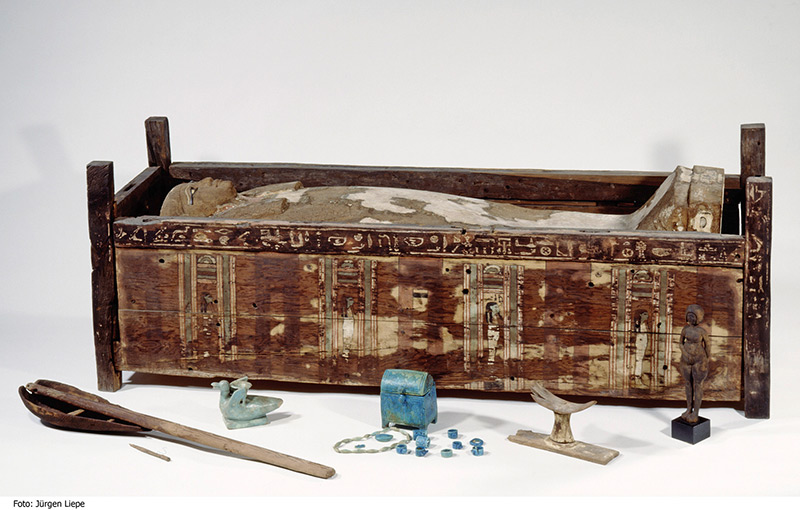
- Sargensemble und Objekte aus dem Grab der Tadja, Abusir el-Meleq
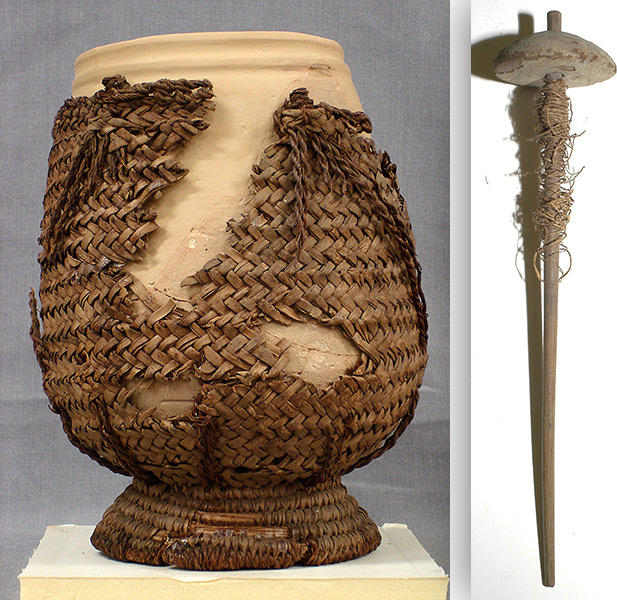
- Links: ÄM 17768 Gefäß mit Korbgeflecht ummantelt; rechts: ÄM 17711 Spindel; Herkunft: Eschmunein
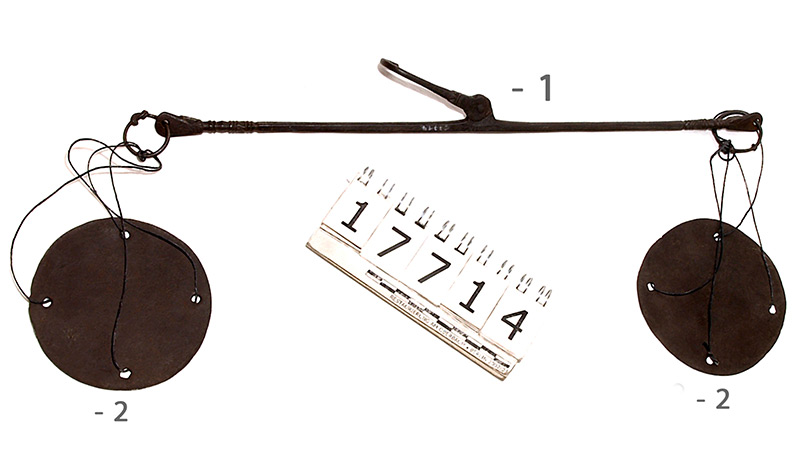
- ÄM 17714 Waage, Eschmunein
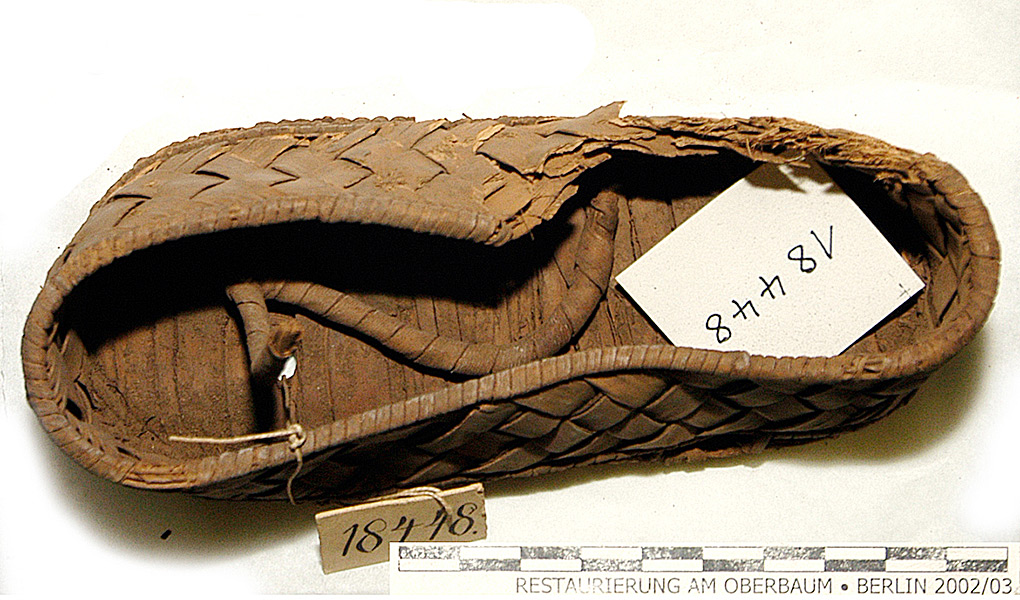
- ÄM 18448 Bastschuh, Elephantine
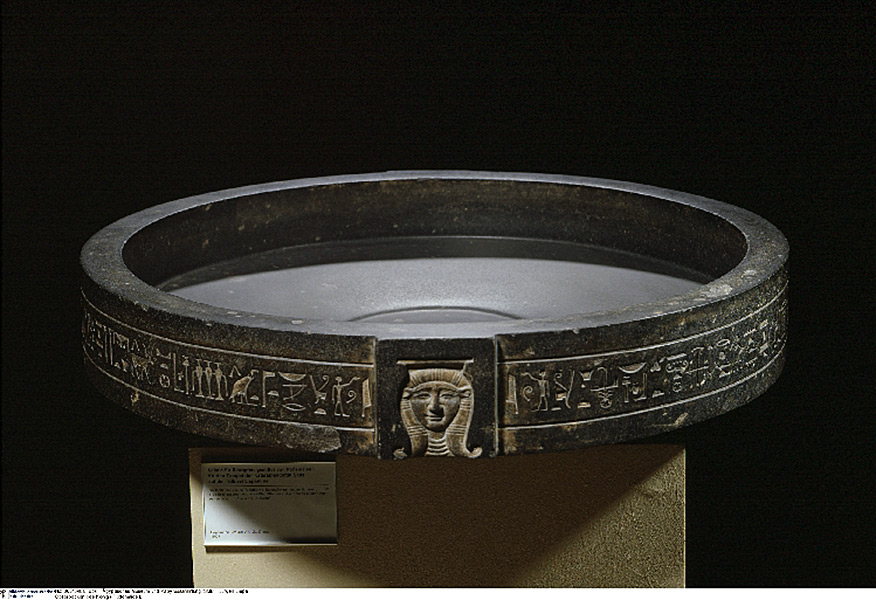
- ÄM 18901 Basaltschale Ptolemaios I. , Elephantine
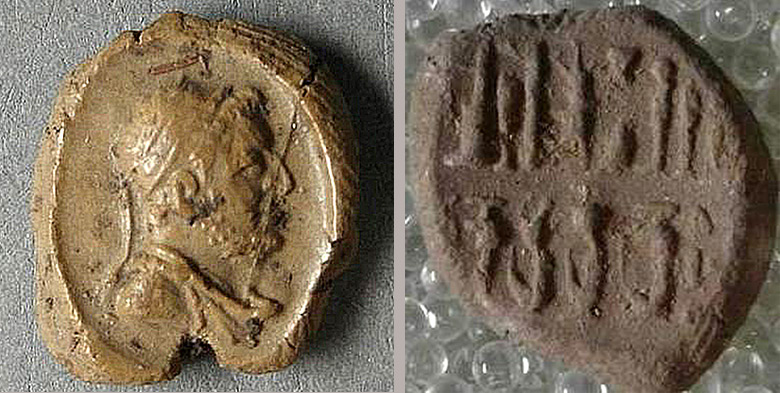
- Links: ÄM 24466 Siegelabdruck mit Darstellung eines Ptolemäerkönigs; Rechts: ÄM 24471 Abdruck eines ptolemäischen Priestersiegels; Herkunft: Elephantine
Otto Rubensohn in Ägypten - Vergessene Grabungen: Funde und Archivalien aus den Grabungen der Königlichen Museen zu Berlin (1901-1907/08)
Von 1901 bis 1907 weilte der Archäologe und Gräzist Otto Rubensohn (1867-1964) die meiste Zeit des Jahres in Ägypten und führte u.a. im Auftrag der Königlichen Museen zu Berlin und der Papyruskommission (siehe dazu unten) Grabungen an verschiedenen Orten in Mittel- und Oberägypten durch. Zwar primär zur Erlangung von Papyri gedacht, erbrachten die Ausgrabungen aber auch diverse archäologische Ergebnisse und vor allen Dingen eine nicht unbedeutende Menge an materiellen Funden, die nach Berlin und in verschiedene Städte Deutschlands gelangten. Dazu zählen u.a. vollständige Grabausstattungen, aber auch Hinterlassenschaften aus siedlungsarchäologischen Kontexten. Das vom Beauftragten der Bundesregierung für Kultur und Medien (BKM) und dem Land Berlin finanziell geförderte Projekt 'Otto Rubensohn in Ägypten - Vergessene Grabungen: Funde und Archivalien aus den Grabungen der Königlichen Museen zu Berlin (1901-1907/08)' hat zum Ziel, die von Rubensohn geleiteten Ausgrabungen anhand der vorliegenden Dokumentationen aufzuarbeiten und insbesondere die bislang nur teilweise publizierten Funde der Öffentlichkeit bekannt zu machen. Von diesem Projekt nicht abgedeckt sind die während der Grabungen gefundenen Papyri, die in einem speziellen Projekt erfasst werden und von denen etliche schon publiziert sind.
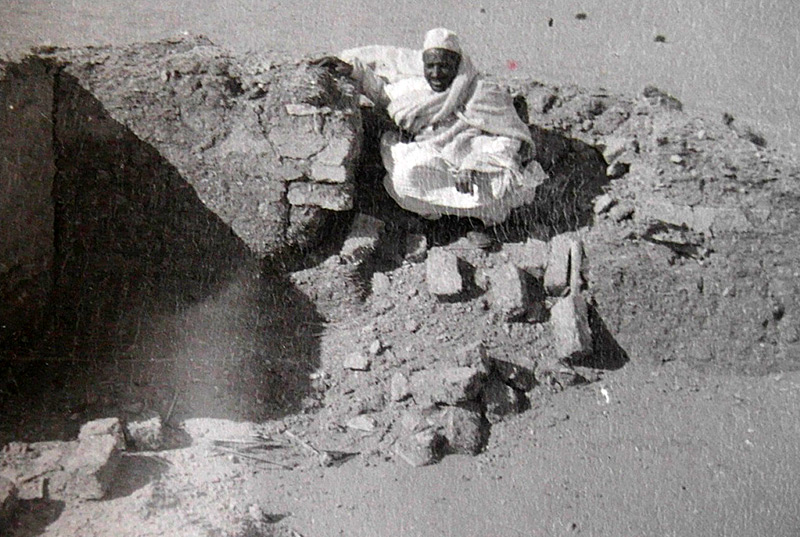
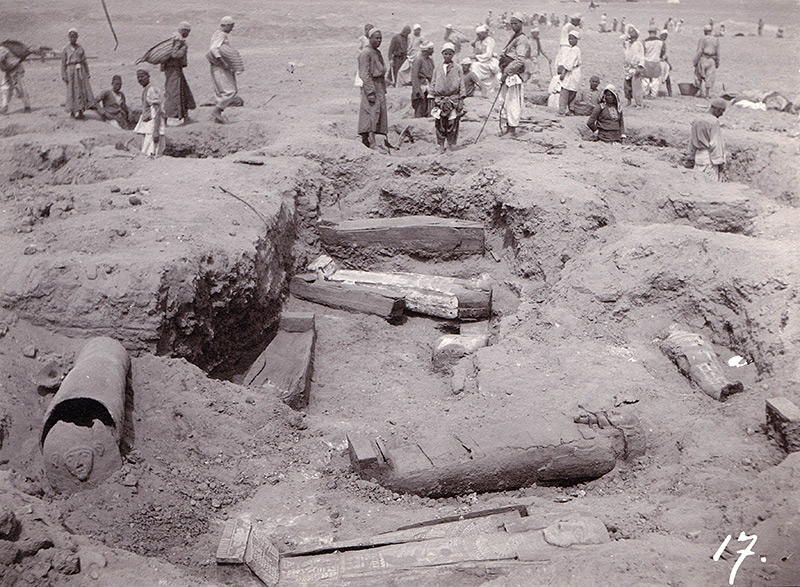
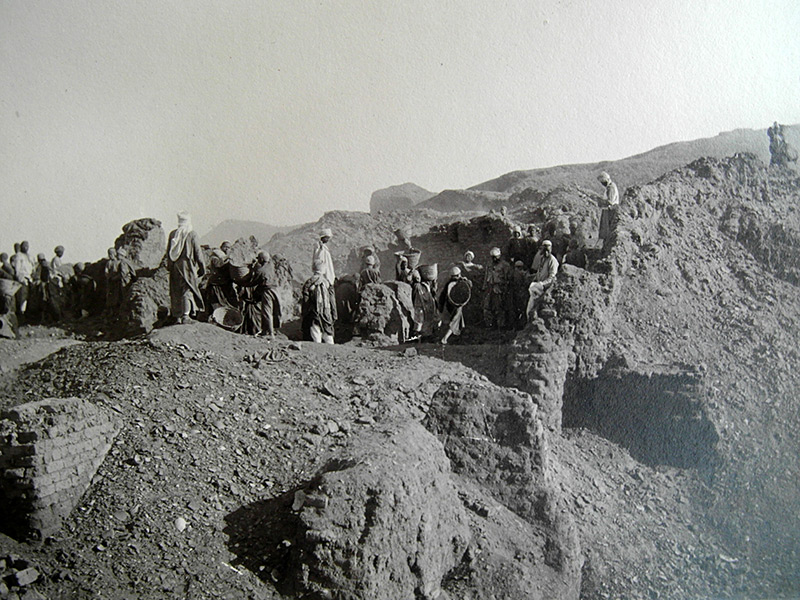
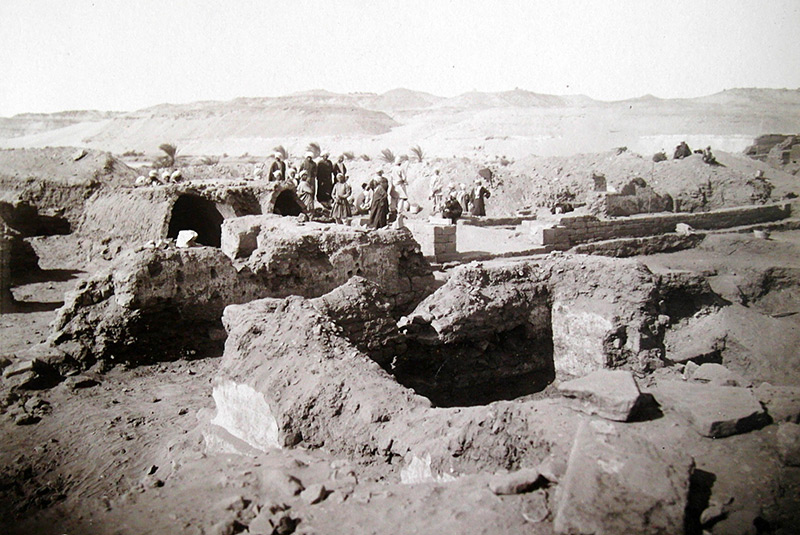
Eigene Ausgrabungen leitete Otto Rubensohn 1902 im westlich des Niltals gelegenen Fayum an den Ruinenhügeln von Batn Harit/Theadelphia, Abu Hamid und Umm el-Baragat/Tebtynis, in den Jahren 1902-1905 im Friedhof von Abusir el-Meleq am Eingang zum Fayum sowie in Eschmunein in Mittelägypten von 1903-1905. Im Frühjahr 1906 und im Winter 1906/07 verlagerte er seine Tätigkeit nach Elephantine an der Südgrenze des Landes. Um die Ausgrabungen in Elephantine nicht rudimentär auf Rubensohns Tätigkeit zu begrenzen, wird in diesem Projekt auch die dritte, von Friedrich Zucker (1881-1973) in den Jahren 1907/08 geleitete Kampagne mit berücksichtigt. Neben der Aufarbeitung von Grabungen und Funden stehen auch die Transkribierung der Tagebücher sowie die Einbeziehung der sich im Jüdischen Museum Berlin befindenden Privatbriefe Rubensohns auf der Agenda.
Das Projekt ist ob der Fülle des Materials in Teilbereiche gegliedert. Der Friedhof von Abusir el-Meleq wird unter unterschiedlichen Gesichtspunkten von Sabine Schmidt (ÄMP) und Renate Germer ausgewertet. Die Grabungsorte Theadelphia, Abu Hamid und Tebtynis, Eschmunein und Elephantine sind Fokus der Arbeit von Josefine Kuckertz (ÄMP). Aubrey Pomerance (JMB) steuert Beiträge anhand des im Jüdischen Museum Berlin befindlichen Nachlasses von Otto Rubensohn bei.
Die Nekropole von Abusir el-Meleq, nördlich des Fayum-Eingangs gelegen, wurde von Otto Rubensohn innerhalb von vier Kampagnen zwischen den Jahren 1902 und 1905 ausgegraben. Trotz der reichen Funde an Grabbeigaben, darunter sogar vollständig gehobene Grabausstattungen, blieben diese bisher weitgehend unpubliziert. Sie umfassen Objekte von der prädynastischen bis in die islamische Zeit Ägyptens, wobei die Funde der Dritten Zwischenzeit bis in die griechisch-römische Epoche den Hauptteil ausmachen. Insgesamt wurden mehr als 345 Gräber mit weit über 700 Bestattungen freigelegt. Von diesen Funden befinden sich allein ca. 400 Einzelobjekte in Berlin, und über 200 Objekte wurden an verschiedene Sammlungen des damaligen Deutschen Kaiserreichs mithilfe der Deutschen Orient-Gesellschaft verteilt. Viele der in Abusir el-Meleq Bestatteten waren Priester oder Sängerinnen des Gottes Herischef, der im ca. 20 km entfernten Herakleopolis Magna sein Kultzentrum hatte. Als herausragendes Beispiel eines vollständigen Grabinventars ist die Bestattung des jung verstorbenen Mädchens Tadja zu nennen, in dessen Grab allein knapp 60 Einzelobjekte gefunden wurden. Diese umfassen neben Innen- und Außensarg u.a. Fingerringe, Amulette, Musikinstrumente, Kopfstützen, Fayencegefäße oder auch weibliche und männliche Kleinplastiken. Für die Zeit der 25./26. Dynastie, aus der die Bestattung stammt, ist bislang kein vergleichbarer Fund dokumentiert, der qualitativ und quantitativ dem Berliner Ensemble ebenbürtig wäre. In Abusir el-Meleq sind mehrfach große, seit der Spätzeit immer wieder neu belegte Grabanlagen mit bis zu 20 Kammern für weit über 50 Grablegungen insbesondere der griechisch-römischen Zeit nachweisbar. Schon beim jetzigen Stand des Projektes zeichnet sich ab, dass der römerzeitliche Friedhof von Abusir el-Meleq eine ganz ungewöhnliche Individualität der Bestattungen im 1. und 2. Jh. n. Chr. aufweist, die sonst nirgends in Ägypten belegt ist.
Rubensohns Ausgrabungen im Fayum, in Eschmunein und Elephantine konzentrierten sich dagegen auf die Wohngebiete der antiken Orte. Während in Batn Harit/Theadelphia Siedlungsspuren ptolemäischer und mehrheitlich römischer Zeit bis zur Aufgabe der Siedlung im 4. Jahrhundert n. Chr. zu gewärtigen sind, sind in Umm el-Baragat/Tebtynis darüber hinaus auch jüngere Spuren zu erwarten. Dort wurde von Rubensohn auch eine Krokodilnekropole angegraben. Der zeitliche Horizont der Besiedlung von Abu Hamid ist noch unklar. Bemerkenswert war die Auffindung von bemalten Wandnischen in antiken römerzeitlichen Häusern in Theadelphia, welche Rubensohn schon 1905 publizierte.
In dem riesigen Stadtgebiet von Eschmunein, dem antiken Hermopolis Magna, das seit dem Alten Reich bis in islamische Zeit und auch heute noch besiedelt ist, sind aus Rubensohns Grabungen mehrheitlich römische, byzantinische (spätantike) und islamische Hinterlassenschaften zutage getreten. Die Nachricht von aramäischen Papyri, die 1904 im Kunsthandel aufgetaucht waren, führte zu Beginn des Jahres 1906 zur Verlagerung der Ausgrabungen nach Elephantine, die insgesamt drei mehrmonatige Kampagnen bis zu Beginn des Jahres 1908 umfasste. Neben weiteren aramäischen Papyri, die wie die früher aufgetauchten über die jüdisch-aramäischen Angehörigen der persischen Militärkolonie des 6./5. Jh. v. Chr. in Assuan und Elephantine Auskunft gaben, wurde auch zum ersten Mal die große Temenosmauer des spätzeitlichen Chnumtempelbezirks dokumentiert. Auch eine in das Alte Reich zu datierende kleine Steinpyramide wurde erfasst, jedoch nicht als solche erkannt. Wie in den anderen Stätten kamen in Elephantine vielfältige Relikte des täglichen Lebens und Arbeitens aber auch Kultobjekte und Tempelausstattung sowie Hunderte von Siegelabdrücken zutage. Hier reicht die Zeitspanne vom Mittleren Reich bis in die koptische Zeit und damit vom Ende des 2. Jahrtausend v. Chr. bis in das 1. Jahrtausend n. Chr., mithin einen Zeitraum von mehr als 2500 Jahren umfassend.
Doch wie kam es zu diesen Grabungen in Ägypten?
'Berlin braucht literarische griechische Papyri' - unter dieses Motto kann man die Bestrebungen am Ende des 19. und zu Beginn des 20. Jahrhunderts stellen, die darauf abzielten, die Papyrussammlung der Königlichen Museen zu Berlin im Vergleich zu Sammlungen großer europäischer Museen oder Institutionen aufzuwerten. Gerade an literarischen griechischen Papyri herrschte ein großer Mangel, durch den Berlin sich insbesondere gegenüber dem British Museum in London in den Schatten gestellt fühlte. Großmachtbestrebungen äußerten sich nicht nur auf politischem, sondern auch auf kulturellem Terrain!
Schon 1897 forderte der Papyrologe Ulrich Wilcken (1862-1944), dass in Ägypten systematisch Grabungen nach Papyri durchgeführt werden sollten. Er selber initiierte eine erste Berliner Papyrusgrabung, die er zusammen mit Heinrich Schäfer (1868-1957) von Januar bis März 1899 in Herakleopolis Magna durchführte; die Funde sind jedoch bei einem Brand des Transportschiffes im Hamburger Hafen vernichtet worden.
Nachdem im Jahre 1901 durch die preußische Regierung jährlich eine erkleckliche Summe zur Verfügung gestellt werden konnte, kam es zunächst zur Bildung der Berliner Papyruskommission, der die Gräzisten Ulrich von Wilamowitz-Moellendorf (1848-1931) und Hermann Diels (1848-1922), der Generaldirektor der Königlichen Museen, der Archäologe Richard Schöne (1840-1922) und der Ägyptologe und Leiter der Ägyptischen Abteilung Adolf Erman (1854-1937) angehörten.
Um Papyri für Berlin zu erwerben, wurde einmal das Berliner Papyrusunternehmen ins Leben gerufen, das in Ägypten Papyri käuflich erwerben und im Auftrag der Königlichen Museen durch archäologische Grabungen gewinnen sollte. Da sich innerhalb Deutschlands Konkurrenz zwischen den an Papyri interessierten Institutionen abzeichnete, kam es 1903, zurückdatiert auf Oktober 1902, dann zusätzlich zu einer Vereinbarung zwischen diesen Interessenten in Berlin, Leipzig, Gießen, Würzburg und Straßburg, dem so genannten Papyruskartell, nach dem die in Ägypten angekauften Papyri (sowohl literarische Papyri als auch dokumentarische Urkunden) sozusagen zum Minimalpreis errungen werden konnten.
Der von der Berliner Papyruskommission für beides (Grabungen und Ankäufe) eingesetzte Beauftragte war zunächst für kurze Zeit Ludwig Borchardt (1863-1938), dann der aus Athen anreisende Archäologe und Gräzist Otto Rubensohn, der seine Aufgabe vom Oktober 1901 bis März 1907 ausübte und von Friedrich Zucker abgelöst wurde, der wiederum bis zum Auslaufen des Papyrusunternehmens 1910 amtierte.
Das Projekt ist ob der Fülle des Materials in Teilbereiche gegliedert. Der Friedhof von Abusir el-Meleq wird unter unterschiedlichen Gesichtspunkten von Sabine Schmidt (ÄMP) und Renate Germer ausgewertet. Die Grabungsorte Theadelphia, Abu Hamid und Tebtynis, Eschmunein und Elephantine sind Fokus der Arbeit von Josefine Kuckertz (ÄMP). Aubrey Pomerance (JMB) steuert Beiträge anhand des im Jüdischen Museum Berlin befindlichen Nachlasses von Otto Rubensohn bei.
Die Nekropole von Abusir el-Meleq, nördlich des Fayum-Eingangs gelegen, wurde von Otto Rubensohn innerhalb von vier Kampagnen zwischen den Jahren 1902 und 1905 ausgegraben. Trotz der reichen Funde an Grabbeigaben, darunter sogar vollständig gehobene Grabausstattungen, blieben diese bisher weitgehend unpubliziert. Sie umfassen Objekte von der prädynastischen bis in die islamische Zeit Ägyptens, wobei die Funde der Dritten Zwischenzeit bis in die griechisch-römische Epoche den Hauptteil ausmachen. Insgesamt wurden mehr als 345 Gräber mit weit über 700 Bestattungen freigelegt. Von diesen Funden befinden sich allein ca. 400 Einzelobjekte in Berlin, und über 200 Objekte wurden an verschiedene Sammlungen des damaligen Deutschen Kaiserreichs mithilfe der Deutschen Orient-Gesellschaft verteilt. Viele der in Abusir el-Meleq Bestatteten waren Priester oder Sängerinnen des Gottes Herischef, der im ca. 20 km entfernten Herakleopolis Magna sein Kultzentrum hatte. Als herausragendes Beispiel eines vollständigen Grabinventars ist die Bestattung des jung verstorbenen Mädchens Tadja zu nennen, in dessen Grab allein knapp 60 Einzelobjekte gefunden wurden. Diese umfassen neben Innen- und Außensarg u.a. Fingerringe, Amulette, Musikinstrumente, Kopfstützen, Fayencegefäße oder auch weibliche und männliche Kleinplastiken. Für die Zeit der 25./26. Dynastie, aus der die Bestattung stammt, ist bislang kein vergleichbarer Fund dokumentiert, der qualitativ und quantitativ dem Berliner Ensemble ebenbürtig wäre. In Abusir el-Meleq sind mehrfach große, seit der Spätzeit immer wieder neu belegte Grabanlagen mit bis zu 20 Kammern für weit über 50 Grablegungen insbesondere der griechisch-römischen Zeit nachweisbar. Schon beim jetzigen Stand des Projektes zeichnet sich ab, dass der römerzeitliche Friedhof von Abusir el-Meleq eine ganz ungewöhnliche Individualität der Bestattungen im 1. und 2. Jh. n. Chr. aufweist, die sonst nirgends in Ägypten belegt ist.
Rubensohns Ausgrabungen im Fayum, in Eschmunein und Elephantine konzentrierten sich dagegen auf die Wohngebiete der antiken Orte. Während in Batn Harit/Theadelphia Siedlungsspuren ptolemäischer und mehrheitlich römischer Zeit bis zur Aufgabe der Siedlung im 4. Jahrhundert n. Chr. zu gewärtigen sind, sind in Umm el-Baragat/Tebtynis darüber hinaus auch jüngere Spuren zu erwarten. Dort wurde von Rubensohn auch eine Krokodilnekropole angegraben. Der zeitliche Horizont der Besiedlung von Abu Hamid ist noch unklar. Bemerkenswert war die Auffindung von bemalten Wandnischen in antiken römerzeitlichen Häusern in Theadelphia, welche Rubensohn schon 1905 publizierte.
In dem riesigen Stadtgebiet von Eschmunein, dem antiken Hermopolis Magna, das seit dem Alten Reich bis in islamische Zeit und auch heute noch besiedelt ist, sind aus Rubensohns Grabungen mehrheitlich römische, byzantinische (spätantike) und islamische Hinterlassenschaften zutage getreten. Die Nachricht von aramäischen Papyri, die 1904 im Kunsthandel aufgetaucht waren, führte zu Beginn des Jahres 1906 zur Verlagerung der Ausgrabungen nach Elephantine, die insgesamt drei mehrmonatige Kampagnen bis zu Beginn des Jahres 1908 umfasste. Neben weiteren aramäischen Papyri, die wie die früher aufgetauchten über die jüdisch-aramäischen Angehörigen der persischen Militärkolonie des 6./5. Jh. v. Chr. in Assuan und Elephantine Auskunft gaben, wurde auch zum ersten Mal die große Temenosmauer des spätzeitlichen Chnumtempelbezirks dokumentiert. Auch eine in das Alte Reich zu datierende kleine Steinpyramide wurde erfasst, jedoch nicht als solche erkannt. Wie in den anderen Stätten kamen in Elephantine vielfältige Relikte des täglichen Lebens und Arbeitens aber auch Kultobjekte und Tempelausstattung sowie Hunderte von Siegelabdrücken zutage. Hier reicht die Zeitspanne vom Mittleren Reich bis in die koptische Zeit und damit vom Ende des 2. Jahrtausend v. Chr. bis in das 1. Jahrtausend n. Chr., mithin einen Zeitraum von mehr als 2500 Jahren umfassend.
Doch wie kam es zu diesen Grabungen in Ägypten?
'Berlin braucht literarische griechische Papyri' - unter dieses Motto kann man die Bestrebungen am Ende des 19. und zu Beginn des 20. Jahrhunderts stellen, die darauf abzielten, die Papyrussammlung der Königlichen Museen zu Berlin im Vergleich zu Sammlungen großer europäischer Museen oder Institutionen aufzuwerten. Gerade an literarischen griechischen Papyri herrschte ein großer Mangel, durch den Berlin sich insbesondere gegenüber dem British Museum in London in den Schatten gestellt fühlte. Großmachtbestrebungen äußerten sich nicht nur auf politischem, sondern auch auf kulturellem Terrain!
Schon 1897 forderte der Papyrologe Ulrich Wilcken (1862-1944), dass in Ägypten systematisch Grabungen nach Papyri durchgeführt werden sollten. Er selber initiierte eine erste Berliner Papyrusgrabung, die er zusammen mit Heinrich Schäfer (1868-1957) von Januar bis März 1899 in Herakleopolis Magna durchführte; die Funde sind jedoch bei einem Brand des Transportschiffes im Hamburger Hafen vernichtet worden.
Nachdem im Jahre 1901 durch die preußische Regierung jährlich eine erkleckliche Summe zur Verfügung gestellt werden konnte, kam es zunächst zur Bildung der Berliner Papyruskommission, der die Gräzisten Ulrich von Wilamowitz-Moellendorf (1848-1931) und Hermann Diels (1848-1922), der Generaldirektor der Königlichen Museen, der Archäologe Richard Schöne (1840-1922) und der Ägyptologe und Leiter der Ägyptischen Abteilung Adolf Erman (1854-1937) angehörten.
Um Papyri für Berlin zu erwerben, wurde einmal das Berliner Papyrusunternehmen ins Leben gerufen, das in Ägypten Papyri käuflich erwerben und im Auftrag der Königlichen Museen durch archäologische Grabungen gewinnen sollte. Da sich innerhalb Deutschlands Konkurrenz zwischen den an Papyri interessierten Institutionen abzeichnete, kam es 1903, zurückdatiert auf Oktober 1902, dann zusätzlich zu einer Vereinbarung zwischen diesen Interessenten in Berlin, Leipzig, Gießen, Würzburg und Straßburg, dem so genannten Papyruskartell, nach dem die in Ägypten angekauften Papyri (sowohl literarische Papyri als auch dokumentarische Urkunden) sozusagen zum Minimalpreis errungen werden konnten.
Der von der Berliner Papyruskommission für beides (Grabungen und Ankäufe) eingesetzte Beauftragte war zunächst für kurze Zeit Ludwig Borchardt (1863-1938), dann der aus Athen anreisende Archäologe und Gräzist Otto Rubensohn, der seine Aufgabe vom Oktober 1901 bis März 1907 ausübte und von Friedrich Zucker abgelöst wurde, der wiederum bis zum Auslaufen des Papyrusunternehmens 1910 amtierte.
Overview
Museum
-
The building
-
Overview
-
Level 0
-
Level 1
-
Level 2
Projects
- Excavation-Project QHN
- Digitalization of Papyri and Ostraka
- Restoration Projects
- Photos & Forts
- ERC-Projekt ELEPHANTINE
Membership
Contact
You are using Mozilla/5.0 AppleWebKit/537.36 (KHTML, like Gecko; compatible; ClaudeBot/1.0; +claudebot@anthropic.com)your browser type cannot be determined | Text version
| About accessibility | Produced by: RexPublica
Bitte beachten Sie die Hinweise zur Webanalyse
Bitte beachten Sie die Hinweise zur Webanalyse